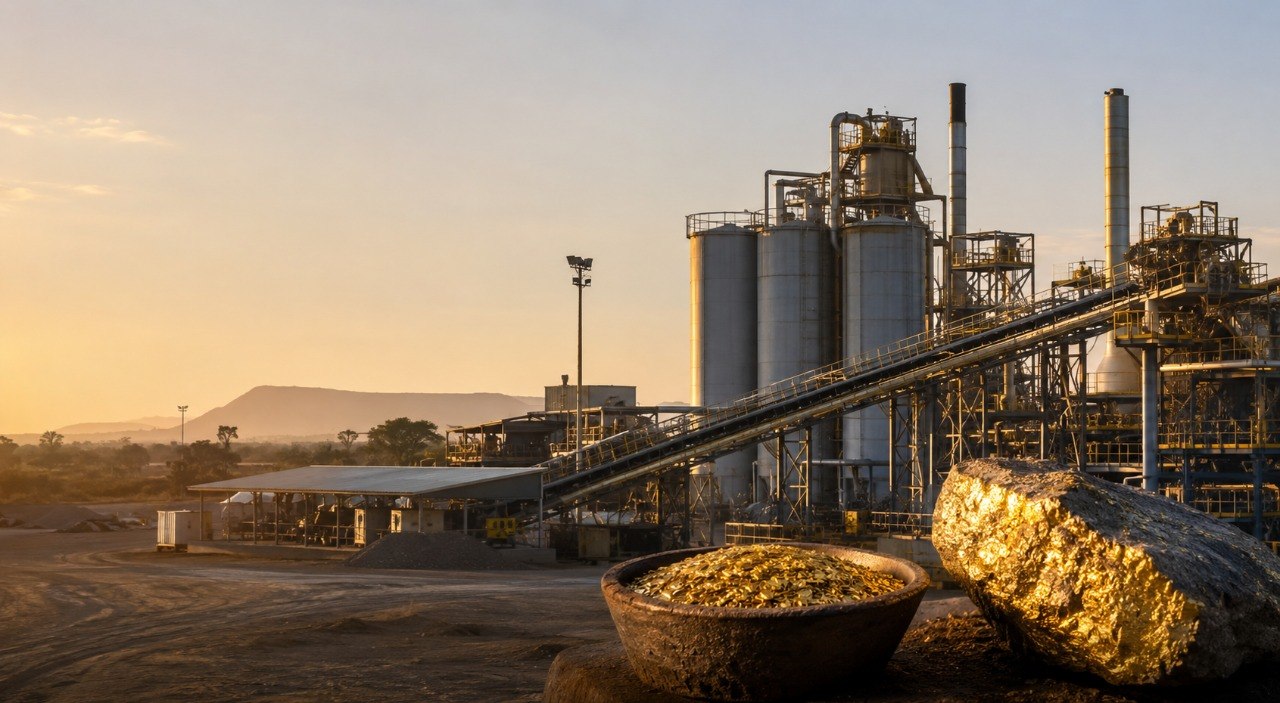

Zimbabwe’s lithium producers are asking the government to give them more time before the planned January 2027 ban on lithium concentrate exports, arguing that local processing plants are still not ready.
The request was reported by NewZimbabwe after a presentation at the Chamber of Mines of Zimbabwe annual conference in Victoria Falls. Innocent Rukweza, who chairs the Lithium Association of Zimbabwe and leads Mutapa Energy Resources, said the industry needs a little more breathing room because most producers are still in the final stages of building beneficiation plants.
That claim was reinforced by Business Insider Africa, which reported that Zimbabwe’s miners are seeking more time to complete processing facilities before the ban takes effect. The Business Insider Africa report said only one lithium sulphate plant is currently operating, while several other projects are still under construction or in development.
The government’s policy direction is not hard to understand. Zimbabwe wants to keep more value in the country by pushing the sector away from raw concentrate exports and toward local processing. Over the last few years, the state has tightened lithium rules with bans, quotas, taxes and beneficiation requirements. The logic is straightforward: if the country is going to be a major lithium producer, it wants more of the value chain to happen at home, not just the ore leaving the border.
The problem is timing. A policy can be sound in principle and still arrive before the industry is ready. That is the tension here. Producers say the current deadline is tight, not because they reject beneficiation, but because they believe the plants are still too far from completion to absorb a full export cutoff in January 2027. In NewZimbabwe’s report, Rukweza said the sector would like the deadline pushed into 2027, possibly to March or June, so the remaining work can be completed.
That matters for more than one reason. First, lithium exports bring in foreign currency. If concentrate exports are cut too early, the sector could lose revenue before replacement processing capacity is in place. Second, beneficiation takes time, capital and stable policy. Investors and miners need to know whether the goalposts are fixed or moving. Third, local processing only helps if the plants actually come online and operate at scale. A ban without capacity can create bottlenecks rather than value addition.
Business Insider Africa framed the issue as a refinery bottleneck, and that is probably the cleanest way to understand it. Zimbabwe is not arguing about whether beneficiation matters. It is arguing about how fast beneficiation can realistically happen. Only one sulphate facility is reported to be operating, which suggests the pipeline is still thin compared with the policy ambition.
For readers following the wider lithium and forex story, the ZimRate homepage, currency converter and exchange rate history are the quickest starting points. The earlier lithium quotas story also shows how this policy has been tightening in stages.
The bottom line is simple. Zimbabwe still wants beneficiation. The miners are not asking to abandon that goal. They are asking for time, because the infrastructure is not yet where the policy calendar says it should be. Whether the government grants that leeway will say a lot about how flexible it intends to be as the 2027 deadline gets closer.
This article is for informational purposes only and does not constitute financial advice.