
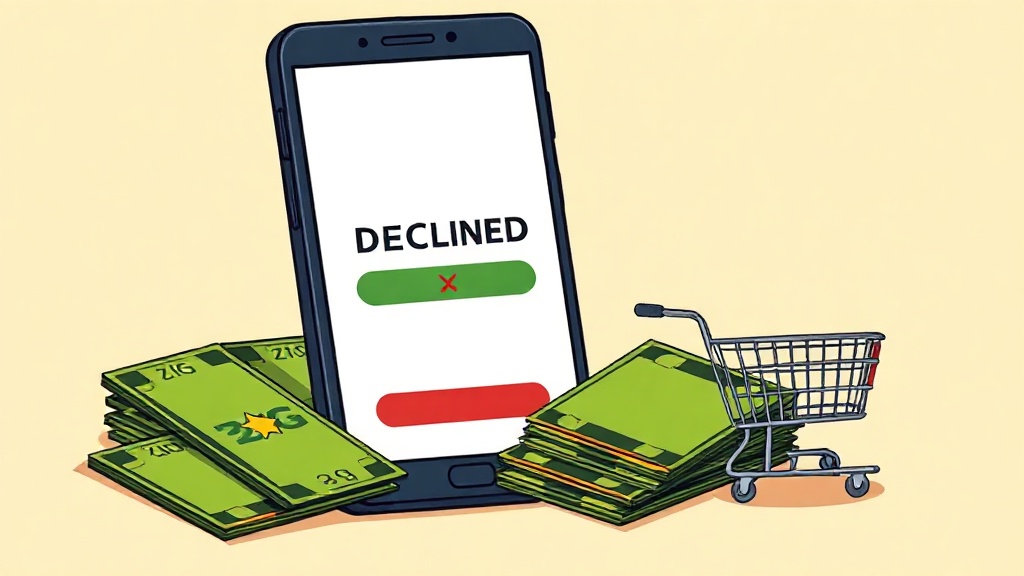
Zimbabwe introduced the ZiG as its official legal tender to stabilize the economy. While physical transactions for daily groceries or fuel are becoming standard, trying to execute an online payment tells a completely different story. According to news reports from May 2026, consumers face significant hurdles when attempting to check out on e-commerce platforms using their local ZiG accounts. The currency is legal, but the internet simply is not ready for it yet.
The Payment Gateway Bottleneck
The root problem lies in the payment gateway infrastructure. Online transactions require payment processors that have direct and reliable API integrations with the banking sector. These processors verify and clear funds in real time. Currently, major global gateways like Stripe or PayPal do not recognize the ZiG. Local gateways are working hard, but they are still adapting their legacy systems to handle the new currency routing seamlessly. As a result, merchants are left with broken checkout flows. You can easily check the current ZiG rates on our dashboard, and you will see the official rates have been relatively stable. However, the underlying technical plumbing required to move that value across the internet is still under heavy construction.
Banking API Delays
For a local digital store to confidently accept ZiG, their payment provider must be connected directly to the national switch and corresponding bank systems. Unfortunately, several major financial institutions have been slow to update and release their developer tools for the new currency. This leaves software developers with their hands tied. They cannot build secure checkout systems without the proper banking APIs. Consequently, customers who want to convert $10 USD to ZiG for a quick online purchase often discover that the website has reverted to accepting only USD just to avoid the technical friction.
Impact on the Local Digital Economy
A thriving digital economy requires friction-free payments. Because of these technical delays, many local businesses are forced to rely exclusively on USD for their online catalogs. This limits the utility of the local currency for digital natives and slows down the broader adoption of the ZiG in tech-driven sectors. When you look at the exchange rate history since the introduction of the new currency, it becomes clear that policy stability is only one part of the equation. Actual day-to-day utility is equally important. Until the banking tech stack catches up with government policy, e-commerce in Zimbabwe will likely remain a predominantly USD environment. Shoppers will have to stick to manual bank transfers or cash on delivery for the foreseeable future.
This article is for informational purposes only and does not constitute financial advice.


